Shelby Baez switched majors to study sport injury
In her Psychology of Sport Injury Laboratory, undergraduate students can do research that helps athletes recover.
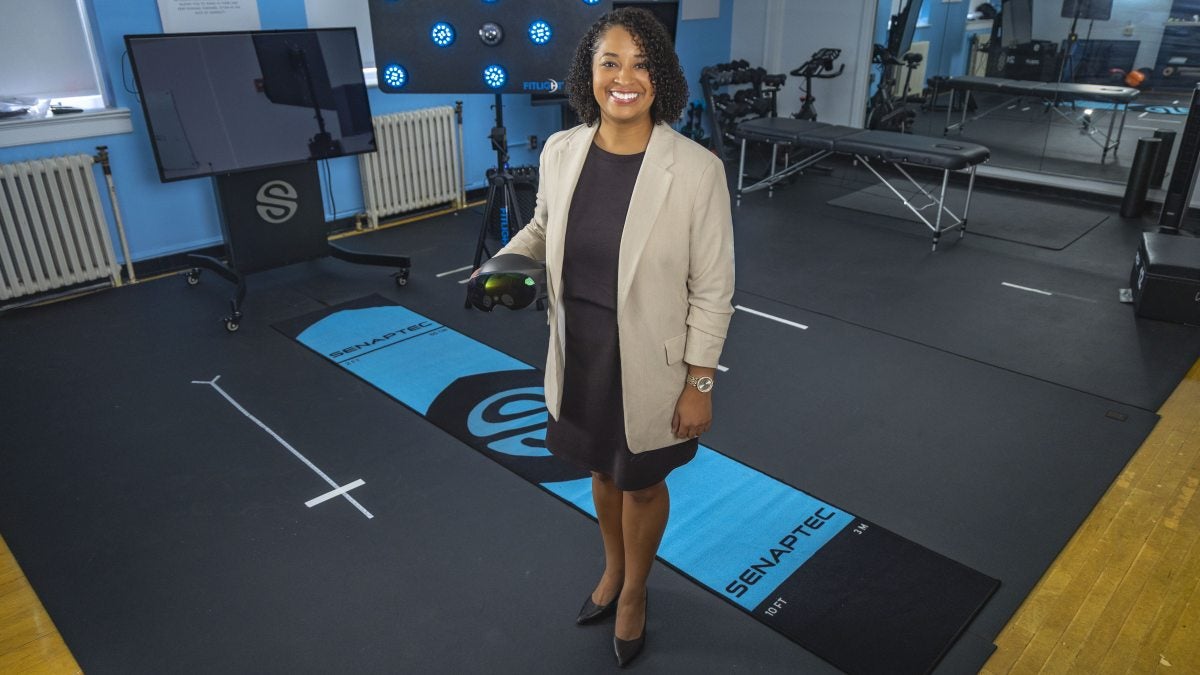
When Shelby Baez was an undergraduate student at UNC-Chapel Hill, she wanted to be a political correspondent for “Good Morning America.” Then she enrolled in a class taught by Kevin Guskiewicz, former Carolina chancellor and a researcher who studies traumatic brain injuries in young athletes.
“He helped me connect to the program director, and the rest is history,” Baez says. She is now an assistant professor in the UNC College of Arts and Sciences’ exercise and sport science department and leader of the Psychology of Sport Injury Laboratory.
Stories like Baez’s are common in college — students changing majors after a series of unexpected and often serendipitous experiences. But what if those opportunities came sooner? UNC-Chapel Hill’s annual Research and Discovery Fair on Oct. 22 is designed to connect undergraduate students with researchers like Baez.
UNC Research Stories sat down with Baez to talk about her work and why research experiences can be transformative for students.
What is the main goal of your research?
We work with patients and health care providers to improve recovery after sport injuries — not just physically, but mentally and socially, too. We focus mainly on anterior cruciate ligament injuries but also study chronic ankle instability, knee pain and rotator cuff injuries. Our goal is to help people return to the activities they love, avoid reinjury and improve their overall quality of life.
What projects are you working on now?
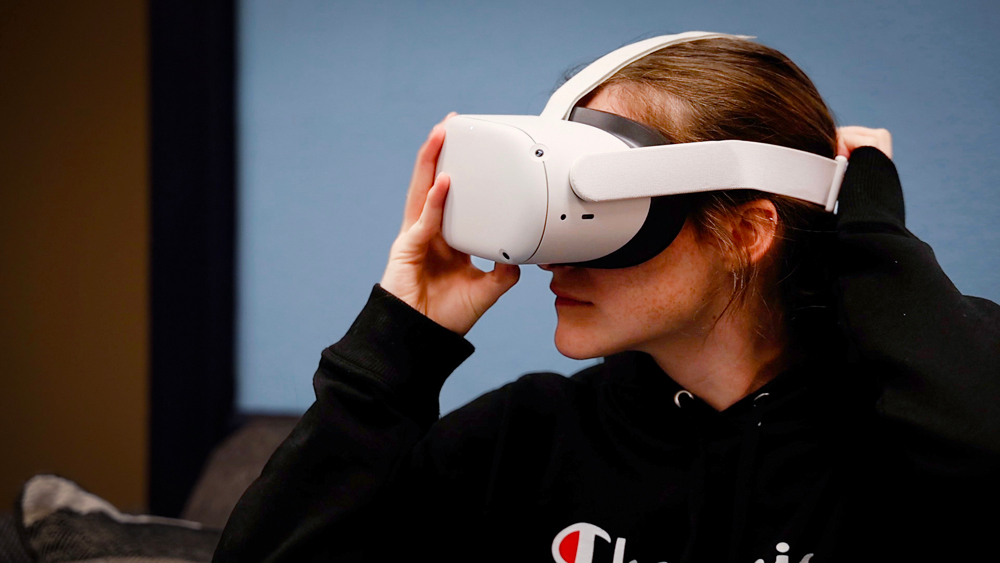
We’re running two clinical trials to help people overcome the mental hurdles that can come after ACL surgery. One uses virtual reality mindfulness meditation to reduce fear, improve movement and even change brain activity. The other combines exposure therapy with mindfulness meditation to help patients feel more confident and react faster during physical activity.
What are the biggest challenges in your research?
Finding enough patients to participate in our studies. There are several ACL researchers at UNC-Chapel Hill, which can make recruitment competitive. But we see this as a chance to build partnerships with providers across the Triangle and reach a more diverse group of patients that better represents North Carolina.
What’s the most surprising discovery your team has made recently?
We’ve found that sleep problems after ACL surgery may be more common — and more harmful — than people realize. Poor sleep can lower motivation for rehab, delay healing and affect mental health. But this is a lifestyle factor we can modify to improve healing after surgery.
If your research could solve one big problem, what would it be?
I hope to expand access to health care through technology. If we can deliver effective treatments remotely, we can reach people who don’t have easy access to health care — especially in rural or underserved areas.
What’s the coolest tool you use in the lab?
We use Oura Rings — smart rings worn on the finger — to track sleep, activity and heart rate. They are accessible and help us collect accurate and valuable data.
Can undergraduate students get involved in your lab?
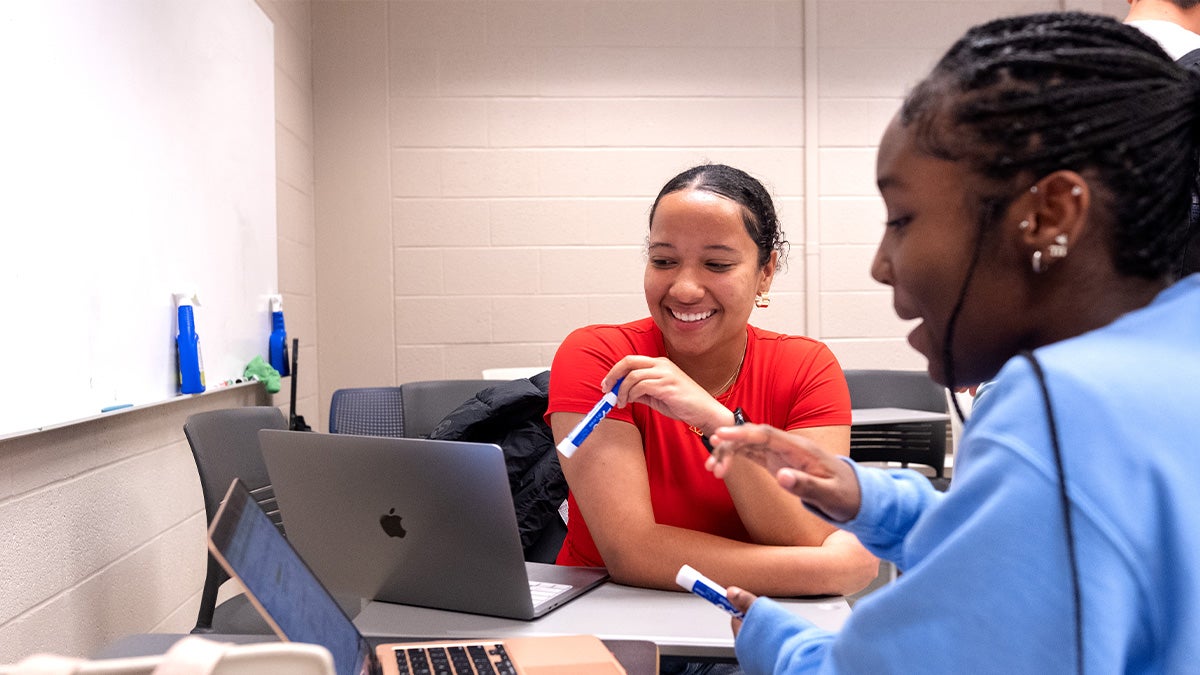
Absolutely. I encourage students to take an active role — from collecting data to presenting at conferences and even publishing their work. One of my students, Mia Laws, earned a Summer Undergraduate Research Fellowship award to complete an independent study and is now first author on a manuscript. Others are preparing to present at the Southeast American College of Sports Medicine Regional Conference.
What do students gain from working with you?
I hope that my students leave with a strong foundation in ethical, innovative research — from asking the right questions to working directly with patients and collecting meaningful data that can improve care.
Read more about Shelby Baez’s research.
Get involved
To learn more about Shelby Baez’s lab, attend the Research & Discovery Fair 11 a.m.-2 p.m. Oct. 22 at the Frank Porter Graham Student Union.