Social work scholar influences aging policies, practices
Sheryl Zimmerman has transformed Carolina into a national leader in nursing home and assisted living research.
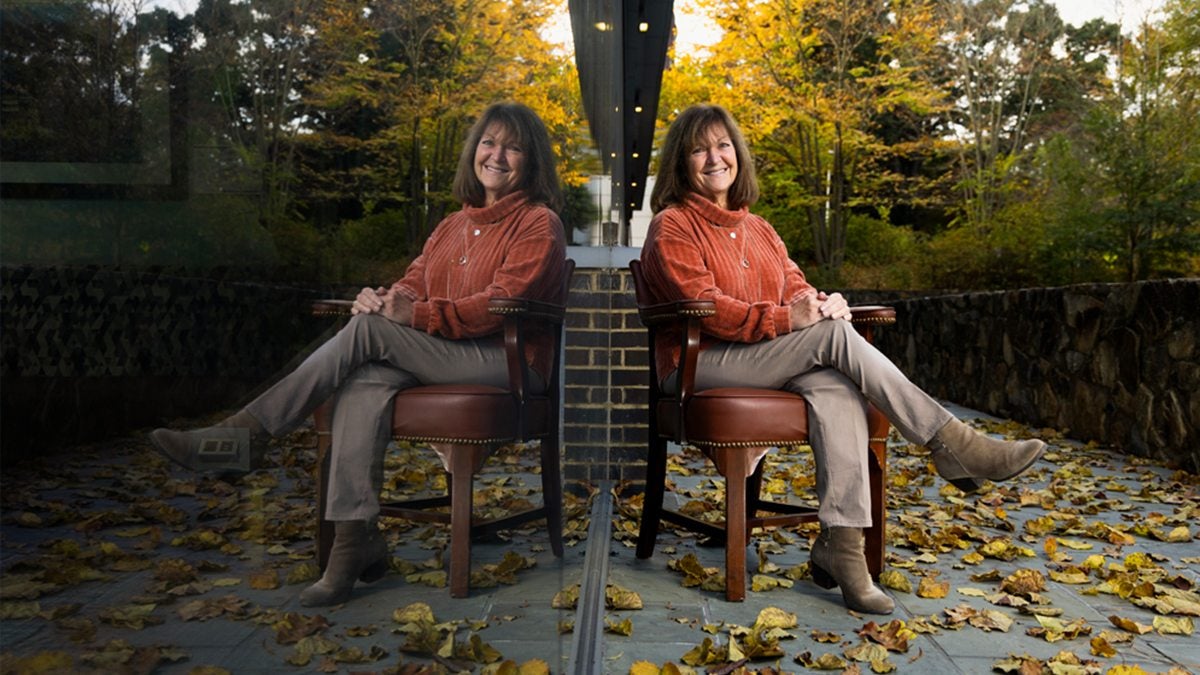
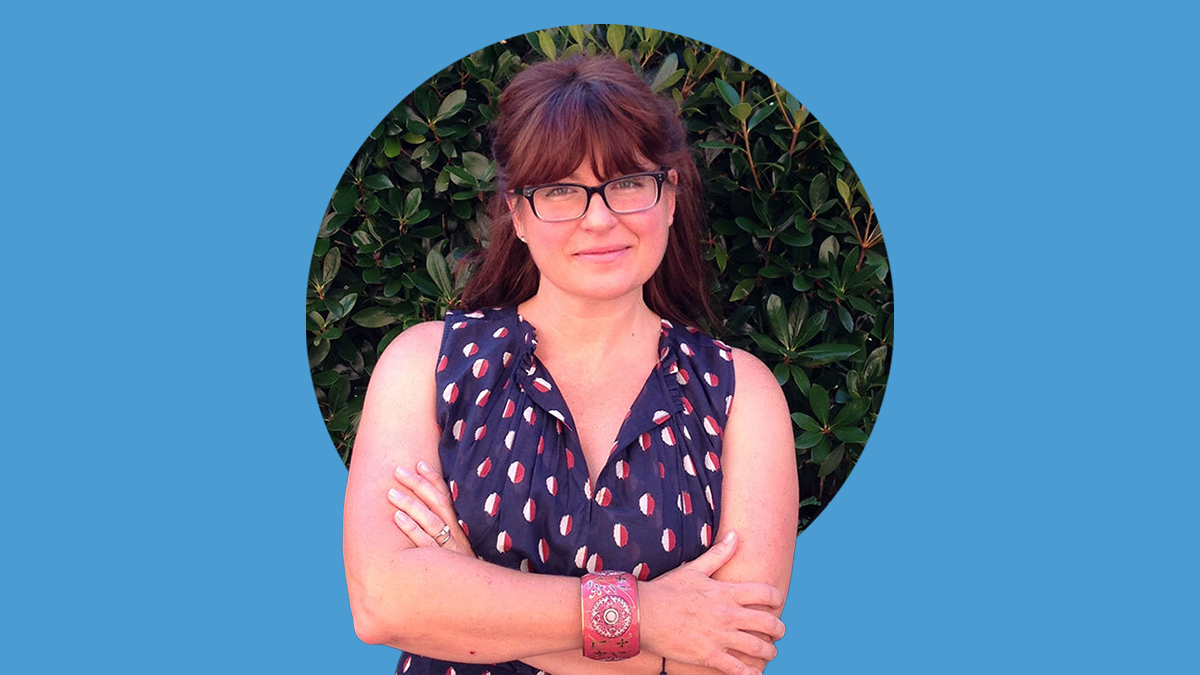
Sheryl Zimmerman is the nation’s top-ranked social work scholar on aging and long-term care. A distinguished professor in the UNC School of Social Work, Zimmerman has been involved with the national Center for Excellence in Assisted Living since its founding.
In 2023, she oversaw its transition to Carolina and today leads CEAL@UNC — a national center advancing the well-being of people who work and live in assisted living communities.
“I’ve never done research solely to publish papers. I do research because I want to inform practice and policy — and CEAL is all about that,” she says. “The welfare of older adults affects everyone. We’re all growing older, and we all have someone in our family who already is older, from parents to aunts and uncles. And in the next 10 years, the number of older adults is going to exceed the number of people aged 18 and younger.”
Lifesaving interventions
The co-director of the Program on Aging, Chronic Illness and Long-Term Care at the Cecil G. Sheps Center for Health Services Research, Zimmerman has 40 years in the field and hundreds of studies to her name. She has worked on countless projects, including the impact of reducing antibiotic prescribing in nursing homes, the prevalence of dementia in assisted living and COVID-19’s impact on this demographic.
One of her most effective projects to date is an oral health intervention.
Pneumonia affects more than 250,000 nursing home residents annually, according to Zimmerman. The likelihood of pneumonia is higher when the teeth and gums harbor bacteria, and people who have experienced stroke or are living with Alzheimer’s disease or other cognitive impairments may not be able to brush their teeth.
“It’s not rocket science, but someone with dementia might back away and close their mouth when someone approaches them with a toothbrush,” Zimmerman says. “So staff need to learn sensitive care practices, like approach from the front and go slow.”
Zimmerman and Carolina colleagues Philip Sloane, John Preisser, and Patricia Poole developed “Mouth Care Without a Battle,” a toolkit about special techniques for cleaning older people’s teeth provided free to nursing homes in four states. In a 2020 study, they found that nursing homes using this training toolkit reduced pneumonia by 26%.
Real-world application
Zimmerman is equally proud of her research on a lighting system for doorframes that reduced falls at night by 34%. Falls are the leading cause of injury for adults 65 and older, according to the Centers for Disease Control and Prevention.
Not only was Zimmerman’s intervention successful, but it’s low-cost and easy to implement.
“I told my friend about it, and she decided to string Christmas lights around her mom’s bedroom door,” she says with a laugh. “It’s a good start. Our lighting system is more fine-tuned than that.”
Zimmerman wants to supply caregivers with knowledge they can implement immediately. We all know someone who is aging and needs care, even if they’re not dealing with decline from dementia.
After four decades of working with these communities, and taking care of her own parents, Zimmerman offers advice to anyone who might benefit from it.
“First, take a deep breath, and take stock of your capacity and well-being,” she advises. “If you over-tax yourself, no one wins. Second, learn about the issues affecting your family member or friend, which can inform how you interact on a day-to-day basis. Third, learn about and take advantage of the resources that are available. As the population has grown, so too have the resources to support their care and yours.”